Human respondents provide evidence. Simulated household agents and AI research agents are models and software, not people. These projects share a research approach, not one integrated published system.
01
Human-Grounded LLM Evaluation
Can AI-generated flood-insurance answers reflect how real households make decisions?How I approached it I compared real household surveys with profile-based LLM responses using measurement checks, decision-pathway analysis, and repeated runs.What it contributes A way to detect differences in household variation and decision relationships that average answers alone can hide.evaluation
Methods
Evaluation design · Psychometrics and SEM · Stability analysis
Boundaries
The interactive examples use synthetic records, not individual survey responses or research results.
How do household choices change flood losses and the resources available next year?How I approached it I built the household decision model and connected adaptation choices to catastrophe, insurance, and financial mechanics.What it contributes A traceable link from household adaptation choices to losses, insurance outcomes, and resources in later years.simulation
Methods
Agent-based modeling · Coupled simulation · Risk systems
Boundaries
Simulated household agents model adaptation; they are not an integrated LLM system.
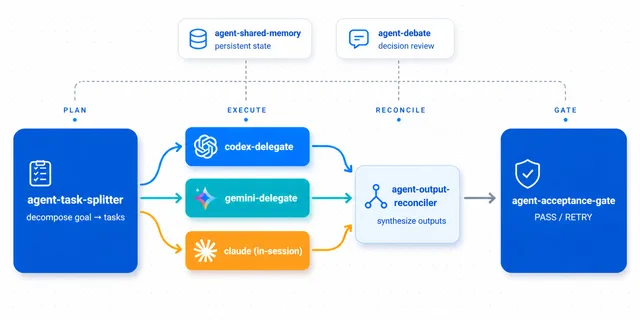
What stops an invalid AI proposal from changing a simulation?How I approached it I designed the validation and repair path that checks an agent proposal before the simulation state can change.What it contributes An inspectable proposal-to-action boundary: invalid actions are blocked, repaired, and checked before execution.governance
Research infrastructure with inspectable failure behavior
Selected repositories support research operations, agent orchestration, and multilingual learning. Counts are refreshed through a reviewed build-time data workflow.
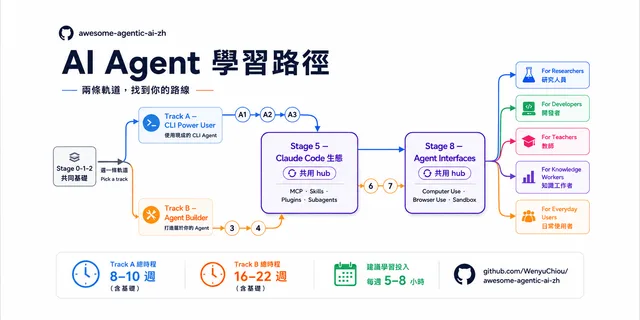
awesome-agentic-ai-zh
Maintained trilingual roadmap for agentic AI, with automated cross-language checks.
Build evaluations that connect model behavior to real evidence
Interested in evaluating AI decisions or building evidence-linked research systems? I welcome research and open-source collaboration, and Summer 2027 internship conversations.